
Miss Hyper-Independent
When independence turns into armor

I’ve been thinking a lot about hyper-independence lately.
About the quiet pride that comes with carrying your own weight.
And the loneliness that creeps in when you realize you’ve been doing it alone for a long time.
There’s a push and pull there that I don’t think we talk about honestly enough.
The desire to belong, to be chosen, to be folded into something shared.
And the equally strong desire to remain untouched, self-contained, intact.
Envy and pride live closer together than we like to admit.
Neither emotion is particularly admirable, but both are deeply human.
I’ve always leaned toward self.
I like walking alone.
I’m often in groups of three, and I almost always prefer being the third rather than one of the two.
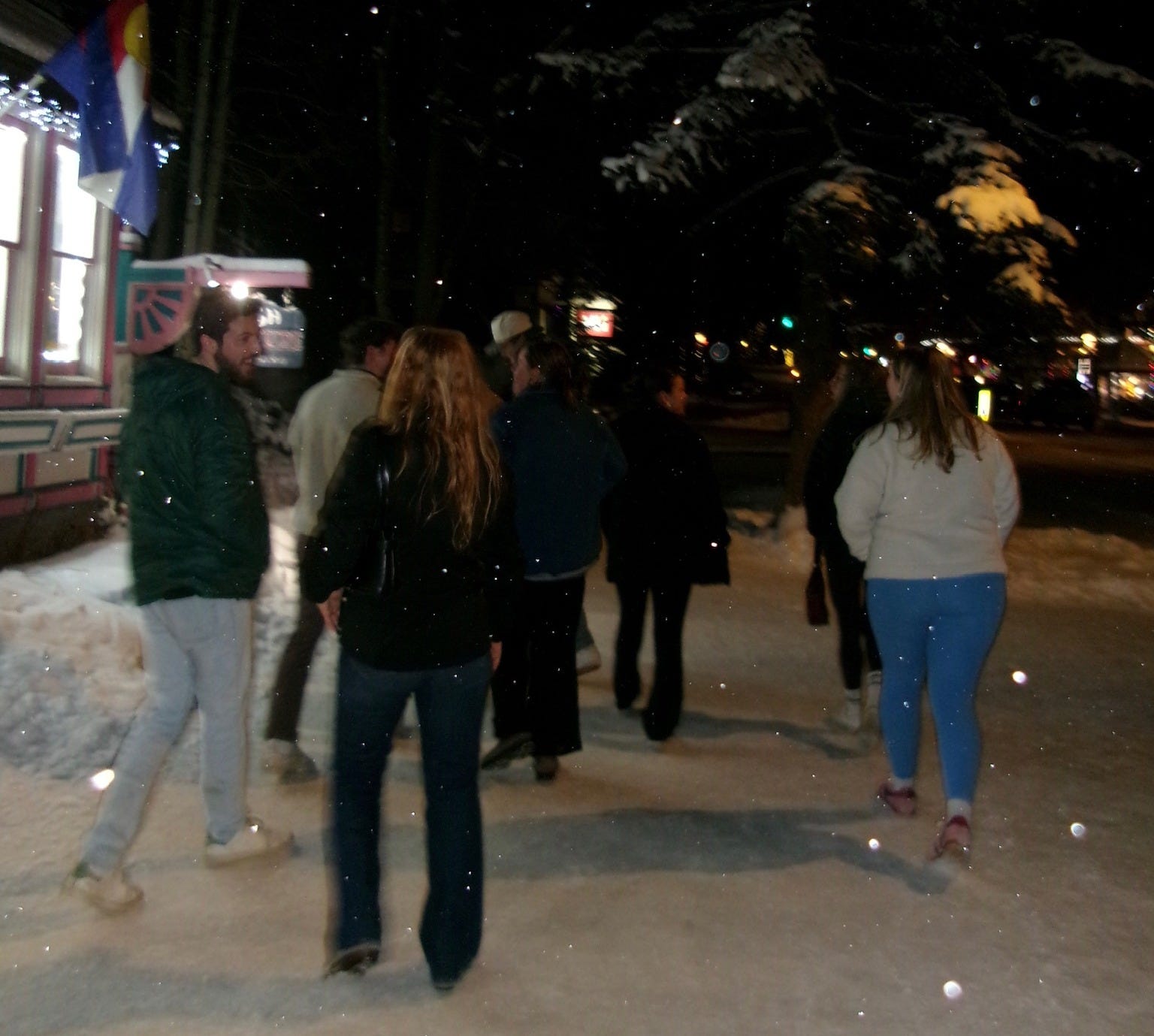
There’s comfort in proximity without obligation.
I want to be among people without being bound to anyone.
And yet, I’d be lying if I said I don’t sometimes wish I were tethered to one other person.
Someone solid. Someone chosen.
The problem is that the moment I am, something in me tightens.
Freedom turns into constraint.
Closeness starts to feel like a narrowing.
That tension sits at the center of my life.
Between independence and codependence.
Between wanting connection and resisting the vulnerability that comes with it.
It’s affected my friendships.
It’s fractured my love life.
I have a pattern.
I meet someone who feels aligned. Similar interests, similar energy, an ease that feels rare.
And just as that ease starts to deepen, the walls go up.
From the outside, I probably look open.
I share my thoughts publicly. I write honestly. Anyone reading this knows a lot about me.
But there are still parts I keep untouched.
Parts I don’t offer easily.
Not because I’m hiding something dark, but because if things fall apart, I want to know there are pieces of me that remain mine.
Independence can look like confidence.
It can also be a preservation tactic.
I saw it clearly the other night.
A guest in town. A night where I felt good in my body, grounded, present.
The conversation was easy at first. Curious. Light. Observational.
And then something shifted.
The moment when getting to know someone becomes flirtation.
When attention turns into expectation.
My chest dropped a little.
I didn’t pull away immediately. Attention has never scared me.
But the second it asked something back, something real, something open-ended, I felt myself retreat.
I don’t do casual.
And a weekend with an expiration date registers in my body as a warning.
Distance became my default. Polite. Subtle. Controlled.
It always feels like the wrong time.
Every time.
So I shut the door early, before anything can splinter.
Before I have to offer something that might not be held carefully.
I don’t fully know why I do this.
Fear of rejection plays a role. So does independence.
There’s a belief buried somewhere in me that if something isn’t immediately right, then it isn’t worth the risk.
But how am I supposed to know what right looks like without staying long enough to find out?
See hyper-independence gives you freedom.
That’s the part we celebrate.
You get to choose exactly what’s right for you.
You move quickly. You adapt. You rely on no one.
It’s intoxicating in a world that constantly asks us to compromise.
But the cost is connection.
The deeper you go into self-sufficiency, the harder it becomes to let others in.
Not because you don’t want them, but because you don’t need them.
That distinction matters.
I see this pattern everywhere right now.
In entrepreneurship. In creator culture. In remote work being sold as the ultimate form of freedom.
A lot of people who are naturally interdependent are being pushed into independence they didn’t ask for.
And a lot of people who are truly independent are quietly absorbing the loneliness that comes with it.
I feel it in my own life.
There are seasons where I attach quickly.
Spending weeks with one person, sharing space, time, rhythm.
It’s disorienting at first. Your needs get folded into someone else’s. Your routines bend.
Eventually, my compass wavers.
Other people’s gravity pulls at it.
And when I finally step back into solitude, it takes time to recalibrate.
That’s when independence feels like relief again.
Teaching skiing has made all of this impossible to ignore.
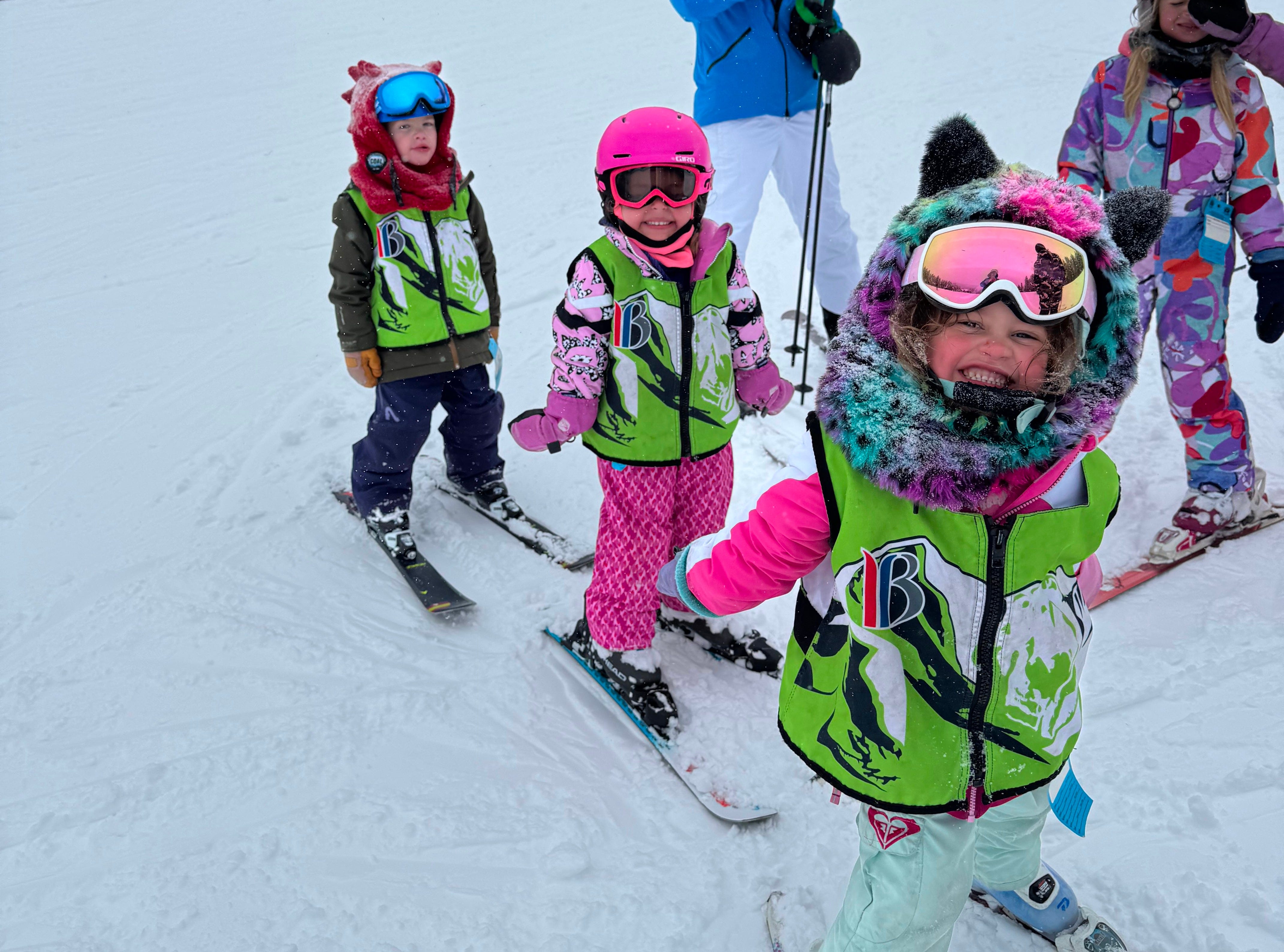
I spent months teaching kids.
And I found myself frustrated in a way I didn’t expect.
Some children fall and wait. They cry until someone intervenes.
Others pop right back up. Determined. Laughing. Already trying again.
One day I called my mom and asked which one I was.
I loved skiing as a kid. Pure joy. Full presence.
But if I fell, would i just get right back up? Or would I wail and kick until someone came to get me.
I was the former. I think because my parents were the shake-it-off kind.
Kids don’t always know they’re hurt unless the world tells them they are.
Watching these kids now feels like watching human nature in its rawest form.
At five years old, we’re already rehearsing who we’ll become.
The ones who figure things out alone tend to embrace uncertainty.
They challenge themselves. They adapt quickly.
The ones who rely on others collaborate beautifully.
They ask for help. They understand their limits.
Both archetypes have strengths.
Both have costs.
The conquerors can become lonely.
The collaborators can struggle when no one shows up.
Carrying everything on your own shoulders builds resilience.
It can also hollow you out.
Some of the most brilliant minds we celebrate lived isolated lives.
Driven. Singular. Often misunderstood.
So what do we do with that?
I don’t think hyper-independence is something you unlearn entirely.
I don’t think I will.
But I do know that I recognize the right people when I can relinquish even a small amount of control to them.
When my body doesn’t tense at the thought of being affected.
That awareness feels like progress.
We know more about ourselves than we think.
Reflection just brings it into focus.
This might be who I am.
It might be who I was taught to be.
Either way, the work now is learning how to live with it honestly.
How to hold independence without using it as armor.
How to stay open without abandoning myself.
Freedom matters.
So does connection.
Learning how to balance the two might be the real work of growing up.

I see you. It’s one of life’s paradoxes. Armor and vulnerability
This was fantastic! I really related to: ‘ But there are still parts I keep untouched.
Parts I don’t offer easily.
Not because I’m hiding something dark, but because if things fall apart, I want to know there are pieces of me that remain mine. ‘ I can’t tell you how many things I’m saving, and sometimes I don’t know why—other than I don’t want them to get ruined or go unappreciated.